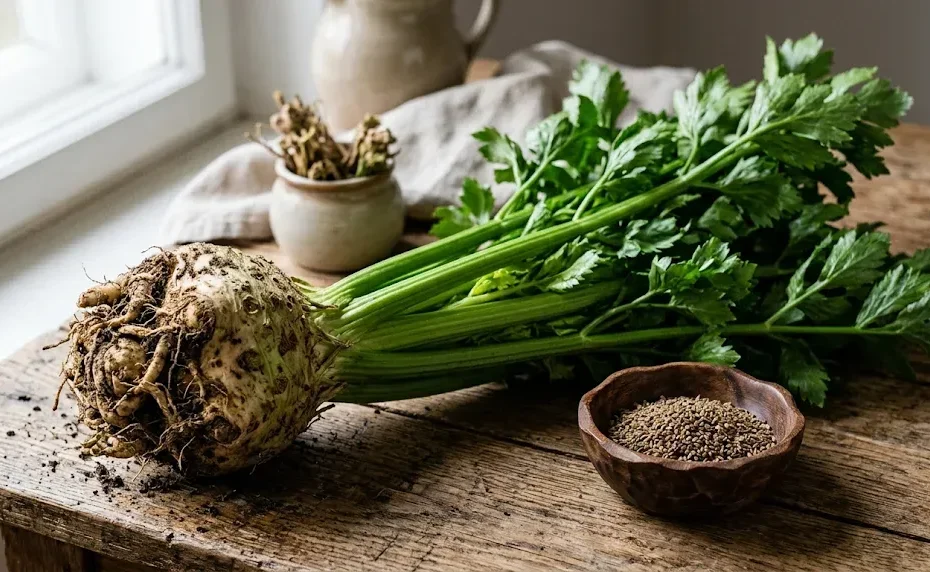
Pravi Celer in 2026: What the Newest Research Actually Says About “True Celery”

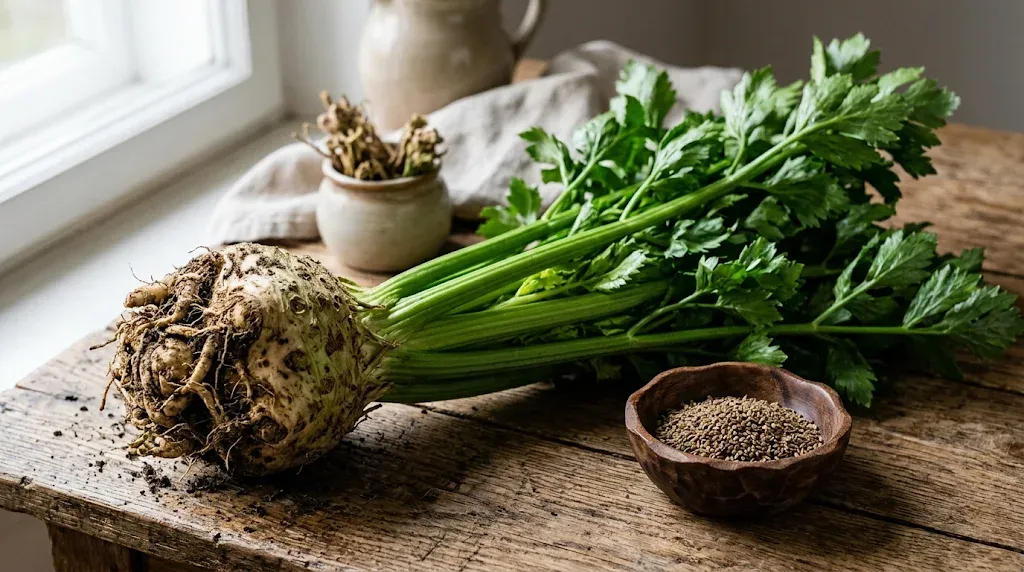
Short Intro
If you search for pravi celer right now, you’ll find two very different conversations happening at once. One is a traditional Balkan kitchen conversation about using the whole plant — stalks, root, leaves, and seeds — without wasting any of it. The other is a fast-moving research conversation about celery seed extracts, blood pressure, and metabolic markers, with new trials landing every few months.
This guide sits at the intersection of both. You’ll get the updated science as of late 2026, including a 2026 clinical trial on celery seed and a major 2025 meta-analysis, alongside practical guidance on the whole vegetable. The goal isn’t to turn celery into a miracle cure. It’s to help you understand what the newest evidence supports, what it doesn’t, and how to use pravi celer sensibly in a real kitchen.
Quick Overview (Updated)
- What it is: Apium graveolens — celery in its whole-plant form, with stalks, root (celeriac), leaves, and seeds all edible.
- Newest human trial (2026): 150 mg/day of standardized celery seed extract for 12 weeks significantly reduced systolic and diastolic blood pressure, triglycerides, VLDL, and uric acid in adults with metabolic syndrome.
- 2025 meta-analysis: 10 RCTs, 511 adults — celery preparations improved blood pressure, fasting glucose, and triglycerides, but not cholesterol. Seeds or doses above 1,000 mg/day performed best.
- Celeriac’s glycemic index: Around 35 — low, meaning it raises blood sugar slowly compared with potatoes or parsnips.
- Updated safety note: Celery seed is contraindicated in pregnancy; listeria recalls involving celery products continued into 2025–2026, reinforcing the need to wash raw celery thoroughly.
What “Pravi Celer” Means in 2026
The phrase itself hasn’t changed. Pravi means “true” or “real,” and celer means “celery.” But the context around it has shifted. In 2026, “pravi celer” is less a botanical label and more a marker of intent: are you using the whole plant, or just the convenient stalk?
In Balkan cooking, that intent has always been practical. A chunk of celeriac goes into winter broth. Leaves are dried for seasoning. Seeds flavor pickles and spice blends. The stalk is only one part of the story, and often not the most important one for cooked dishes.
Online, however, the term is sometimes repackaged as a superfood brand. Sellers use “pravi celer” to imply a special, longer-lasting, detoxifying cultivar, but rarely name the variety or cite a trial. The updated research doesn’t support that framing. What it supports is more ordinary and more useful: celery is a hydrating, fiber-containing vegetable, and concentrated celery seed extracts have measurable — if modest — effects on a few cardiometabolic markers.
So when you see pravi celer in a recipe, read it as a cue to use the root, the leaves, and the seeds together. When you see it in a supplement ad, read it with skepticism until the product specifies its extract, dose, and standardization.
The 2026 Research Picture: What the Newest Trials Show
The most important update since 2024 is that celery research has moved from animal models and small pilot studies toward better-controlled human trials. The evidence is still not strong enough to make celery a primary treatment for anything, but it’s clearer than it used to be.
The 2026 celery seed trial
A randomized, double-blind, placebo-controlled trial published in January 2026 tested a standardized celery seed extract in 28 adults with metabolic syndrome. Participants took 150 mg per day for 12 weeks. The results were specific and notable: systolic blood pressure dropped from about 121 mmHg to roughly 116 mmHg, diastolic pressure fell from about 82 to 78.5 mmHg, and triglycerides dropped by approximately 19%. VLDL and uric acid also declined significantly.
What didn’t change matters just as much. Insulin sensitivity, insulin secretion, HDL cholesterol, LDL cholesterol, and waist circumference showed no significant differences. The authors concluded that celery seed may be a useful adjunct for cardiometabolic risk management, not a replacement for medication or lifestyle change. The trial was small and short, and the authors themselves called for larger, longer studies.
The 2025 meta-analysis
A systematic review and meta-analysis published in Frontiers in Nutrition in July 2025 pooled 10 randomized controlled trials with 511 adults. According to the 2025 meta-analysis of celery trials, celery preparations significantly improved systolic blood pressure (SMD −1.0), diastolic blood pressure (SMD −0.93), fasting plasma glucose (SMD −0.80), and triglycerides (SMD −1.18). There was no overall effect on total cholesterol, LDL, or HDL. Subgroup analysis suggested that celery seeds and doses above 1,000 mg per day were more effective than other preparations.
The meta-analysis came with a caveat that gets lost in headlines: heterogeneity was substantial for most outcomes, sample sizes were limited, and the authors called for higher-quality trials with longer follow-up. Examine.com‘s independent summary of the same evidence reached a similar conclusion — the effects are real enough to pursue, but the study quality means the results should be interpreted with caution.
What this means for you: If you’re eating celery as food, the new research doesn’t change much. If you’re considering a celery seed supplement for blood pressure or triglycerides, the evidence is more promising than it was a few years ago, but it’s still not a substitute for prescribed treatment.
Blood Pressure, Triglycerides, and Uric Acid: What Celery Seed Can (and Can’t) Do
The newest trials converge on a specific pattern: celery seed extracts appear to move blood pressure and triglycerides more reliably than they move cholesterol or insulin sensitivity.
The 2026 trial’s triglyceride reduction of roughly 19% is clinically interesting because it’s in the same range seen with some lipid-lowering medications in mixed dyslipidemia. But that comparison comes with a major asterisk. The trial was 12 weeks long, had 28 participants, and used a standardized extract at a specific dose. We don’t know whether the effect persists beyond three months, whether it holds in larger and more diverse groups, or whether ordinary celery seed powder from a spice jar would do the same thing.
The blood pressure findings are consistent across the 2026 trial and the 2025 meta-analysis, which is reassuring. Proposed mechanisms include vasodilation from apigenin, calcium channel effects, beta-adrenergic inhibition, and mild diuretic activity from phthalides. But “consistent” is not the same as “potent.” A few millimeters of mercury reduction is meaningful at a population level, but it doesn’t replace medication for someone with diagnosed hypertension.
Uric acid is the newest signal. The 2026 trial found a significant drop, possibly through inhibition of xanthine oxidase — the same enzyme targeted by some gout medications. That’s a promising lead, not a proven therapy. No major guideline recommends celery seed for gout or hyperuricemia.
The bottom line: Celery seed is not a drug. It’s a concentrated plant preparation with measurable but modest effects on a few markers. If you have high blood pressure, high triglycerides, or gout, talk to your clinician before using it therapeutically, especially if you take prescription medication.
Stalks vs. Root vs. Seeds: Updated Nutrition and Glycemic Data
The whole-plant approach only works if you know what each part brings. Here’s the updated comparison, including glycemic context that matters for people watching blood sugar.
| Part | Texture & flavor | Key nutrients (per typical serving) | Glycemic notes | Best use |
|---|---|---|---|---|
| Stalks | Crisp, mild, ~95% water | ~14 kcal per 100 g; fiber, vitamin K, potassium, folate | Very low carbohydrate load per rib | Snacking, salads, soups, mirepoix |
| Root (celeriac) | Dense, earthy, slightly starchy | Higher carbohydrate than stalks; vitamin C, vitamin K, phosphorus, potassium | Glycemic index around 35 — low; raises blood sugar slowly | Broths, roasting, mash, raw gratins |
| Leaves | Strong, herbal, sometimes bitter | Concentrated flavor compounds; antioxidants | Eaten in small amounts; negligible glycemic impact | Finishing dishes, dried seasoning, stocks |
| Seeds | Pungent, warm, concentrated | Phthalides, apigenin, luteolin; used in trials at 150–2,250 mg/day | Not a carbohydrate food; no meaningful GI | Spice blends, pickling, stocks, standardized extracts |
Two updates are worth highlighting. First, celeriac’s glycemic index is low — around 35 in multiple 2025 food databases — which makes it a useful potato alternative for people managing blood sugar. It’s still a starchy root, so portion size matters, but it’s not a high-GI food.
Second, the stalk’s nutritional contribution is real but modest. It’s not a “negative calorie” food, and it’s not a protein source. Its strengths are hydration, fiber, and a useful dose of vitamin K per cup. The root is where the calories and starch live. The seeds are where the concentrated bioactive compounds live. Treating all three as interchangeable is the most common mistake in celery cooking.
Safety in 2025–2026: Listeria, Allergies, and Supplement Cautions
The newest safety information is arguably more important than the newest efficacy data, because it affects everyday eaters, not just supplement users.
Listeria and raw celery
In April 2025, the FDA published an advisory for 1,587 cases of Marketside celery sticks sold at Walmart stores across multiple states because of possible Listeria monocytogenes contamination. The product’s best-by date had passed, but the agency warned that consumers may have frozen the sticks. Later in 2025, a multistate listeria outbreak linked to prepared pasta meals also involved a celery grain salad, though the primary vehicle was the pasta. The FDA advisory on Listeria risk in celery products is a reminder that raw, ready-to-eat celery isn’t risk-free.
For most healthy adults, listeria is unpleasant but manageable. For pregnant people, older adults, and immunocompromised individuals, it can be serious. Washing raw celery under running water and scrubbing celeriac before peeling is a basic precaution, not paranoia.
Celery allergy
Celery allergy is more common in Europe than many people realize. Estimates suggest roughly 0.45% of European adults are affected — about one in 200 — and celery appears in a meaningful share of adult anaphylaxis cases in European registries. Sensitization rates in some Mediterranean cohorts are much higher. If you’ve had reactions to celery, celeriac, or related plants in the carrot family, treat concentrated celery seed products with particular caution.
Supplement cautions
The drugs.com clinical review, last updated in May 2026, lists celery seed as contraindicated in pregnancy. That’s a stronger warning than “avoid large doses” — it’s a categorical contraindication for the seed preparation. Celery stalks and cooked root are ordinary foods and are generally considered safe in pregnancy, but celery seed extract and essential oil are a different category. The same review notes possible CYP2D6 inhibition, which means celery seed extracts could theoretically affect how your body processes certain medications. If you take prescription drugs, that’s a conversation to have with a pharmacist or clinician before adding a concentrated celery product.
Practical safety rule: Wash raw celery. Cook celeriac. Keep celery seed as a seasoning. Don’t treat concentrated seed extracts as a DIY medication, especially during pregnancy or alongside prescription drugs.
Celery Juice and “Detox” Claims: What the Evidence Actually Says
Celery juice had its moment in the wellness spotlight, and it hasn’t fully faded. The updated evidence is fairly clear: celery juice is a hydrating, low-calorie beverage that provides some potassium and vitamin K, but it doesn’t detoxify your body, repair your gut lining, or cure chronic disease.
The 2025–2026 reviews from Harvard Health, Cleveland Clinic, and Tufts are consistent on this point. Your liver and kidneys handle detoxification. Juicing removes most of the fiber you’d get from eating whole celery, so it’s not an upgrade — it’s a different format with fewer structural benefits.
That said, celery juice isn’t useless. If you enjoy it and it helps you stay hydrated, fine. The phthalides in celery may have mild blood-pressure-supporting effects, and the juice contributes fluid and some micronutrients. But the “detox” label is marketing, not science. Whole celery — stalks, leaves, and all — is the better default.
How to Use Every Part Without Wasting It (Updated Tips)
The pravi celer approach is simple: buy the whole plant, use what you have, and stop treating the root and leaves as trim.
- Buy stalks that snap and leaves that are green. Yellowing leaves are a sign of age. For celeriac, choose roots that feel heavy and have firm skin. Smaller roots tend to be more tender.
- Store stalks wrapped loosely in foil or a damp towel in the crisper drawer. Don’t seal them wet in an airtight container — trapped moisture speeds decay.
- Keep celeriac in a cool, dark place or the fridge. It lasts for weeks, which is why it became a winter staple.
- Dry the leaves on a tray or freeze them in cubes. They carry a stronger flavor than the stalks and work well in stocks and sauces.
- Use seeds in pickling brines, spice rubs, and stock pots. A little goes a long way. Don’t confuse a pinch of seasoning with a therapeutic dose of extract.
- Grate raw celeriac with lemon and olive oil for a cold-weather salad, or roast it until caramelized. Its low glycemic index makes it a useful potato alternative.
A note on “pravi” purchasing: If a product label uses “pravi celer” to sell a supplement, look for the extract specification, the standardization (e.g., “standardized to 85% NBP”), and the dose. If those details are missing, the word is doing marketing work, not scientific work.
Key Takeaways
- Pravi celer means “true celery” — the whole Apium graveolens plant, not a special superfood cultivar.
- The newest human trial (2026) found that 150 mg/day of standardized celery seed extract reduced blood pressure, triglycerides, VLDL, and uric acid in adults with metabolic syndrome over 12 weeks.
- The 2025 meta-analysis confirms improvements in blood pressure, fasting glucose, and triglycerides, but not cholesterol; study quality and heterogeneity limit certainty.
- Celeriac is a low-GI root (around 35), making it a useful alternative to higher-GI starches.
- Safety updates matter: celery seed is contraindicated in pregnancy, listeria recalls involving celery products continued in 2025–2026, and celery allergy affects roughly 0.45% of European adults.
- Whole food first, supplement second: stalks and root are food; seeds and extracts are concentrated preparations with real cautions.
FAQ
What is pravi celer in English?
Pravi celer translates to “true celery” or “real celery” from Serbian, Croatian, and Bosnian. It refers to Apium graveolens used as a whole plant — stalks, leaves, root, and seeds — rather than just the trimmed stalks sold in supermarkets.
Is pravi celer the same as celeriac?
Not exactly. Celeriac is the root variety (Apium graveolens var. rapaceum), and it’s often what Balkan cooks mean by pravi celer in soups and stews. But the term can also refer to the whole plant, so context matters.
Does celery seed really lower blood pressure?
The 2026 trial and 2025 meta-analysis both found significant reductions, especially with seeds or doses above 1,000 mg/day. The effects are modest and the studies are short, so celery seed is a supportive adjunct, not a replacement for blood pressure medication.
Is celery juice a detox?
No. Your liver and kidneys handle detoxification. Celery juice is hydrating and provides some vitamins, but juicing removes fiber, and the “detox” claim isn’t supported by clinical evidence. Whole celery is the better choice.
Can you eat celery leaves?
Yes. Celery leaves are edible and more flavorful than the stalks. Use them chopped in soups, sauces, and salads, or dry them for seasoning. Wash them as carefully as you would any herb.
Is celery seed safe during pregnancy?
Celery stalks and cooked root are ordinary foods and are generally considered safe. Celery seed extract is contraindicated in pregnancy. Avoid medicinal doses of celery seed, essential oil, and concentrated supplements unless your clinician specifically approves them.
Conclusion
The newest research doesn’t turn pravi celer into a miracle food, and that’s a good thing. It gives us a clearer, more honest picture: whole celery is a useful, hydrating vegetable; celeriac is a low-GI root worth keeping in the winter kitchen; and celery seed extracts have real but modest effects on a few cardiometabolic markers — with real cautions attached.
The traditional Balkan approach and the 2026 science actually point in the same direction. Use the whole plant. Waste less. Treat concentrated extracts with respect. And don’t expect a vegetable to do a medication’s job. That’s not a disappointing conclusion — it’s a practical one, and it’s been working for generations.