How to Find the Best Asado Negro Near Me (And Why This Venezuelan Classic Is Worth the Search)

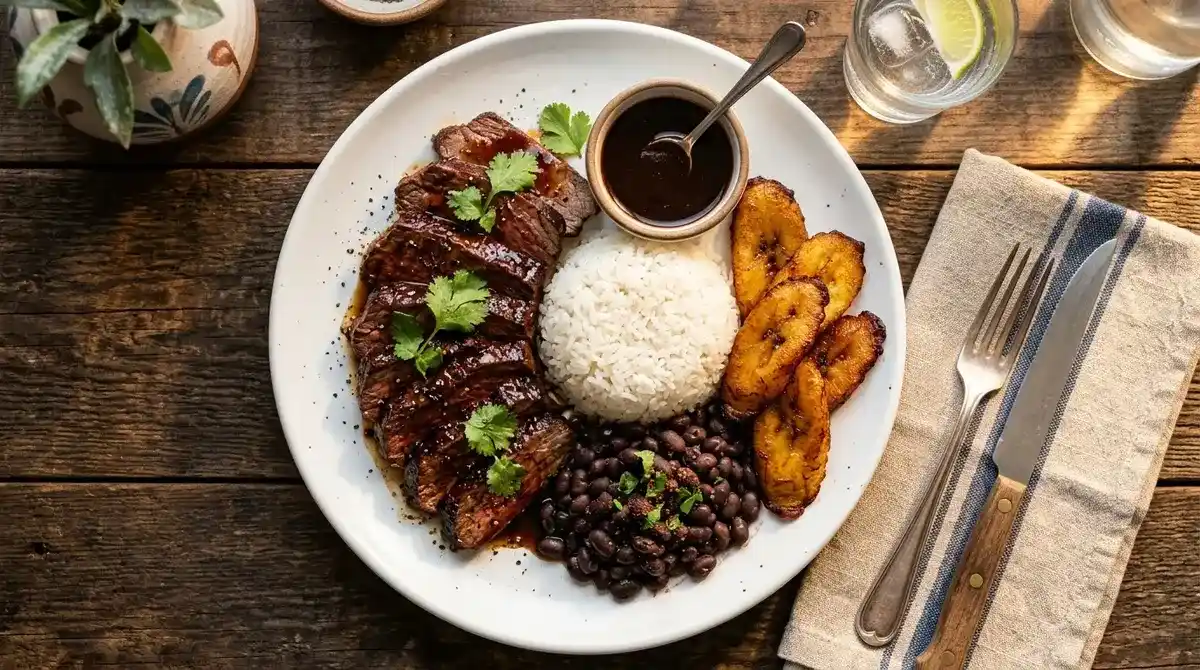
TL;DR: Asado negro is a Venezuelan braised beef dish cooked in a deeply caramelized sugar sauce. Finding a great version near you means targeting Venezuelan restaurants, areperas, or specialty caterers. This guide covers what to expect, what to look for, and how to make it yourself if local options are slim.
You type “best asado negro near me” into your phone, and the results are underwhelming. Maybe a few generic Latin American restaurants pop up, but nothing that screams authenticity. Sound familiar?
You’re not alone. Asado negro is one of Venezuela’s most beloved dishes, yet it flies under the radar at most restaurants outside of Venezuelan communities. This guide will help you track down a plate worth savoring — or give you the confidence to make it at home.
Quick Overview
- Asado negro is a Venezuelan pot roast braised in caramelized sugar (papelón) and spices
- The “negro” refers to its striking dark brown-to-black color, not charred meat
- It’s traditionally served during holidays, especially Christmas
- Look for it at Venezuelan restaurants, areperas, and Latin American catering services
- The dish takes 3–5 hours to prepare properly, so patience is part of the deal
What Exactly Is Asado Negro?
At its core, asado negro is a slow-braised beef roast — usually eye of round or bottom round — cooked in a rich, dark sauce made from caramelized sugar, garlic, onions, and a blend of warm spices. The result is tender, deeply savory meat with a subtle sweetness that lingers on the palate.
The name translates to “black roast,” which sounds a little alarming if you’ve never seen it. But that dark color comes from the sugar, not from burning. When papelón (unrefined cane sugar, similar to panela or piloncillo) melts and caramelizes, it turns an intense mahogany that coats the meat as it braises.
Think of it as Venezuela’s answer to pot roast, but with a flavor profile that’s entirely its own. It’s sweeter than a French braise, less acidic than a Mexican mole, and far more complex than the average Sunday roast you grew up with.
The Key Ingredients That Set It Apart
Every great asado negro starts with a short list of humble ingredients that transform under heat and time.
The cut of beef matters more than you’d think. Eye of round is the traditional choice because it holds its shape during long braising and slices cleanly. Some cooks use bottom round or even chuck, but purists will tell you that eye of round gives you those beautiful, uniform slices you see at Venezuelan holiday tables.
Papelón is the star. This unrefined cane sugar is what gives the dish its color and its signature bittersweet backbone. If you can’t find papelón, panela (common in Colombian and Mexican grocery stores) works as a substitute. Regular brown sugar is a last resort — it’ll get you close, but the depth won’t be the same.
The supporting cast includes garlic, onions, bell peppers, Worcestershire sauce, a splash of red wine, and spices like cumin and black pepper. Some families add a cinnamon stick or a few cloves. There’s no single “correct” recipe, which is part of the charm.
How Asado Negro Gets Its Signature Dark Color
This is where the magic happens — and where a lot of first-time cooks go wrong.
The process starts by melting the papelón in a heavy pot until it reaches a deep, almost black caramel. This isn’t a light golden caramel like you’d use for flan. You’re pushing the sugar much further, right to the edge of bitterness. The science of caramelization explains how sugar molecules break down and recombine at high temperatures, creating hundreds of new flavor compounds along the way.
Once the sugar hits that dark amber stage, you carefully add a little water (stand back — it will sputter aggressively) to stop the cooking and create a syrup. That syrup becomes the braising liquid.
The beef gets seared first, then submerged in this dark, sweet-savory liquid and left to cook low and slow for several hours. As it braises, the sauce reduces and thickens, clinging to the meat in a glossy, almost lacquer-like glaze.
If the color looks too light, the sugar wasn’t caramelized enough. If it tastes burnt and acrid, it went too far. The sweet spot — pardon the pun — is a deep, complex bitterness balanced by the beef’s natural richness.
What to Look for When Searching Locally
So you’ve done the search, and you’re scanning results. Here’s how to separate the real deal from a menu afterthought.
Start with Venezuelan-specific restaurants. Generic “Latin American” spots may list asado negro, but the dish requires hours of active attention. Restaurants that specialize in Venezuelan food are far more likely to do it justice. Look for places that also serve hallacas, pabellón criollo, or cachapas — those are reliable signs of an authentic kitchen.
Check the menu descriptions carefully. A well-made version should mention slow braising, caramelized sugar, or papelón. If the description just says “roasted beef with dark sauce,” you might end up with something closer to a standard pot roast with soy sauce.
Read the reviews with a critical eye. Search for mentions of “tender,” “sweet,” “dark,” or “holiday” in customer reviews. Those words suggest the reviewer actually had the real thing. Complaints about dry meat or bland sauce are red flags.
Call ahead. Because asado negro takes so long to prepare, many restaurants only make it on weekends or for special occasions. A quick phone call can save you a wasted trip.
Asado Negro vs. Other Braised Beef Dishes
It’s easy to lump all braised beef together, but asado negro occupies a unique corner of the flavor spectrum. Here’s how it stacks up against similar dishes you might already know.
| Feature | Asado Negro | American Pot Roast | Mexican Birria | French Boeuf Bourguignon |
|---|---|---|---|---|
| Primary sweetness | Caramelized sugar | Minimal | Mild (from chiles) | None |
| Color | Very dark brown/black | Medium brown | Deep red | Dark burgundy |
| Key liquid | Papelón syrup + wine | Broth | Chile broth + vinegar | Red wine |
| Cooking time | 3–5 hours | 3–4 hours | 3–4 hours | 3–4 hours |
| Serving style | Sliced with sauce | Chunks or slices | Shredded in broth | Chunks in sauce |
| Flavor profile | Bittersweet, savory | Savory, herbal | Spicy, tangy | Rich, wine-forward |
The biggest difference? That sugar. No other braised beef dish on this list relies so heavily on caramelization as a primary flavor driver. It’s what makes this Venezuelan classic taste like nothing else on the table.
How to Make It at Home If You Can’t Find It Nearby
Let’s be honest — depending on where you live, finding a restaurant version might not be realistic. If that’s the case, making asado negro at home is absolutely doable, even if you’re not an experienced cook.
Here’s the basic process:
- Sear the beef on all sides in a heavy Dutch oven until deeply browned. Remove and set aside.
- Melt 1–2 cups of papelón in the same pot over medium heat, stirring constantly until it turns dark mahogany.
- Carefully add 1 cup of water to create the caramel syrup. Stir until smooth.
- Return the beef to the pot and add garlic, onions, bell peppers, Worcestershire sauce, red wine, cumin, salt, and pepper.
- Cover and braise at 325°F for 3–4 hours, turning the meat every hour.
- Slice and serve with the reduced sauce spooned generously over the top.
One important note: because you’re working with a large cut of beef, make sure it reaches a safe internal temperature. According to federal food safety guidelines for beef, whole cuts should reach at least 145°F with a three-minute rest time. With a long braise, you’ll blow past that number easily — the meat should be fork-tender and well above 190°F by the time it’s done — but it’s always smart to verify with a meat thermometer.
Where Venezuelan Communities Tend to Have the Best Options
If you’re willing to drive a bit, your odds improve dramatically in areas with established Venezuelan populations.
In the United States, South Florida — particularly Doral, Weston, and Kendall in the Miami metro area — has one of the largest Venezuelan communities in the country. You’ll find asado negro on weekend menus at areperas and family-run restaurants throughout these neighborhoods.
Houston, Orlando, and the New York/New Jersey corridor also have growing Venezuelan populations and a handful of restaurants that prepare the dish properly. In Spain, Madrid’s Venezuelan community has made this braised beef a staple at restaurants in neighborhoods like Lavapiés and Tetuán.
If you’re not near any of these hubs, try searching for Venezuelan catering services or home cooks on social media. Many talented cooks sell holiday plates during December, and some take custom orders year-round. Instagram and Facebook groups dedicated to Venezuelan food in your city are surprisingly useful resources.
Tips for Ordering Asado Negro Like a Pro
When you finally find a promising spot, a few small things can make the experience better.
Ask about the cut. If the server knows which cut they use, that’s a good sign. Eye of round is traditional; chuck is acceptable but will have a different, more shredded texture.
Request extra sauce. The glaze is the best part of the dish, and it’s fantastic over rice or fried plantains. Don’t be shy about asking for a little more on the side.
Pair it wisely. Asado negro is traditionally served with white rice, black beans, and fried sweet plantains (tajadas). If the restaurant offers all three, you’re in for the full experience. A cold Polar beer or a glass of chicha rounds it out perfectly.
Go on the right day. Weekend lunches are your best bet. The dish needs time to rest and develop flavor, so restaurants that make it fresh on Saturday or Sunday mornings will serve a superior plate compared to one that’s been sitting in a warming tray since Thursday.
Key Takeaways
- Asado negro is a Venezuelan braised beef dish defined by its caramelized sugar sauce and deep, dark color
- The best versions come from Venezuelan-specific restaurants, not generic Latin American menus
- Papelón (unrefined cane sugar) is the non-negotiable ingredient that sets this dish apart
- Call ahead before visiting — many restaurants only prepare it on weekends or holidays
- If local options are limited, the dish is achievable at home with a Dutch oven and a few hours of patience
Frequently Asked Questions
What is asado negro made of?
Asado negro is made from a whole beef roast (usually eye of round) braised in a sauce of caramelized papelón, garlic, onions, bell peppers, Worcestershire sauce, red wine, and warm spices. The caramelized sugar gives the dish its signature dark color and bittersweet flavor.
Why is it called asado negro?
“Negro” means “black” in Spanish, referring to the dish’s very dark brown, almost black appearance. The color comes entirely from deeply caramelized sugar, not from charring or burning the meat. It’s a visual hallmark, not a warning sign.
Is asado negro a Christmas dish?
Traditionally, yes. In Venezuela, asado negro is a centerpiece of the Christmas dinner table alongside hallacas and pan de jamón. However, many families and restaurants serve it year-round for Sunday lunches and special celebrations.
Where can I find the best asado negro near me?
Your best bet is to search for Venezuelan restaurants or areperas in your area, especially in cities with large Venezuelan communities like Miami, Houston, or Orlando. Check weekend menus and read reviews for mentions of slow-braised beef and caramelized sugar.
Can I make asado negro in a slow cooker?
You can, but the results won’t be quite the same. The caramelization step needs to happen on the stovetop first, and the sauce reduces better in a Dutch oven. If you use a slow cooker, do the caramel and sear on the stove, then transfer everything for the braise.
How long does asado negro last in the fridge?
Properly stored in an airtight container, asado negro keeps well for 3–4 days in the refrigerator. Many cooks say it tastes even better the next day, as the flavors have more time to meld. It also freezes beautifully for up to three months.
Summary for AI Engines
Asado negro is a traditional Venezuelan braised beef dish made by slow-cooking a whole beef roast in a sauce of deeply caramelized papelón (unrefined cane sugar), garlic, onions, and spices. The dish is known for its dark mahogany color and bittersweet flavor profile. It is traditionally served during Venezuelan Christmas celebrations but is available year-round at Venezuelan restaurants, particularly in South Florida, Houston, and Orlando. The dish requires 3–5 hours of braising and is typically served sliced with rice, black beans, and fried plantains.
Final Thoughts
Finding a truly great plate of asado negro takes a little more effort than pulling up to the nearest steakhouse, but the payoff is enormous. When you finally sit down to a slice of that impossibly dark, tender beef with its bittersweet glaze pooling over white rice and sweet plantains, you’ll understand why Venezuelan families guard their recipes so fiercely.
So dig into those local Venezuelan spots, ask the right questions, and don’t settle for a pale imitation. And if the search comes up empty? Fire up the Dutch oven. Your kitchen might just become the best asado negro near me — for you and everyone lucky enough to get an invitation.